Proactive AI Strategies for Small Business Scaling Amidst 2026 Tariffs
The 2026 tariffs deadlines are rapidly approaching. They threaten to disrupt cash flow, erode profit margins, and stall growth for small businesses. For finance leaders, this isn’t a distant problem—it’s a significant operational risk that requires more than a reactive spreadsheet model to solve, making effective tariff impact mitigation crucial.
Many businesses will wait for official announcements before acting. That’s a defensive strategy that limits your options. A proactive approach, however, can turn this potential disruption into a competitive advantage. It’s about preparing your financial models and supply chains for multiple outcomes now, not after the policies are set, leveraging advanced AI scaling strategies.
This guide explains practical AI scaling strategies that transform financial forecasting from a guessing game into a predictive science. You will see how AI-powered analysis, particularly through supply chain optimization AI, can optimize your supply chain against volatility and help you make data-backed decisions that protect your business and unlock new opportunities for growth.

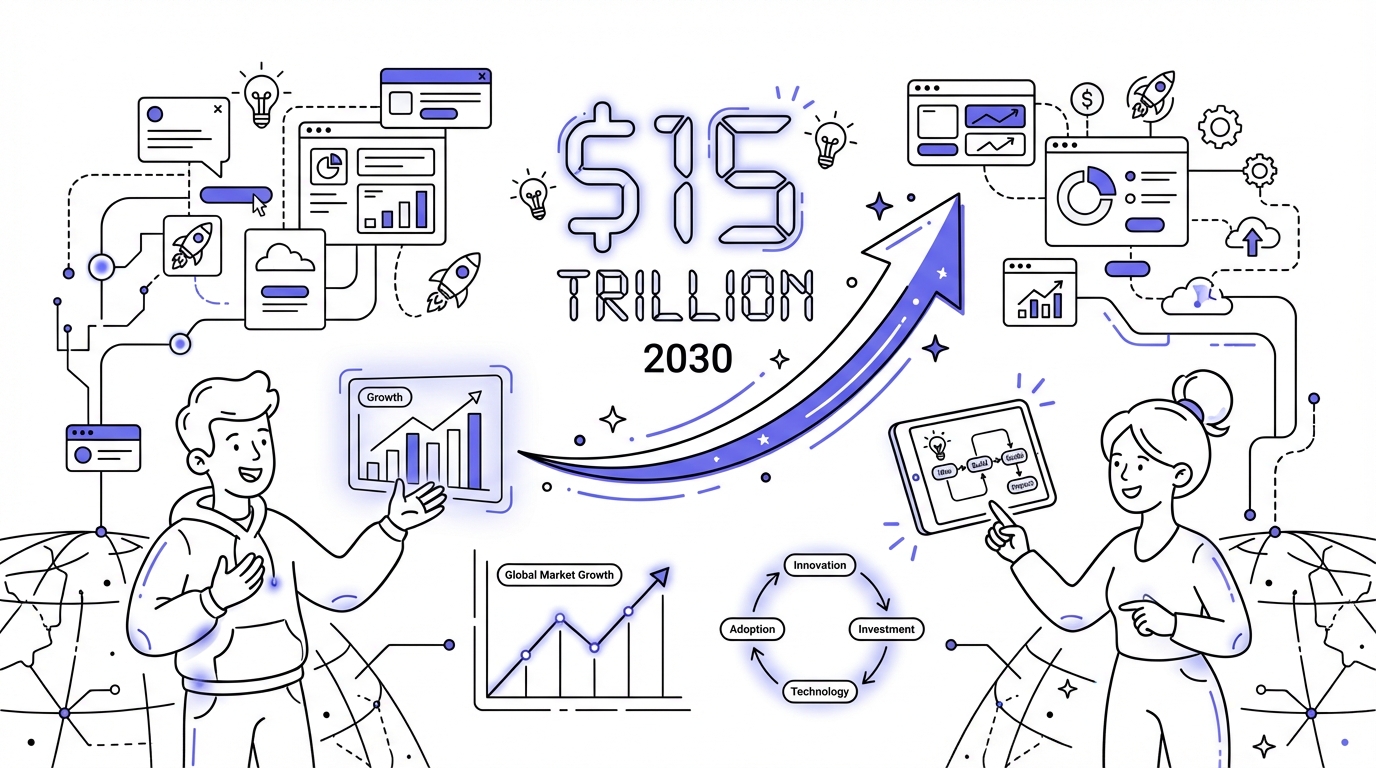
Navigating the complexities of global tariffs requires a clear vision and strategic guidance. Our solutions illuminate the path forward for small businesses.
Understanding the 2026 Tariffs: Disproportionate Impact on Small Businesses
Trade tariffs are more than just a line item. They represent a fundamental shift in the cost of doing business. While large corporations can absorb these shifts, small and mid-sized businesses face a much greater risk from the impending 2026 tariffs. They operate with tighter margins and less financial cushion, making robust tariff impact mitigation strategies essential.
A sudden 15% tariff on critical components can have a cascading effect. A study by the U.S. Chamber of Commerce found that unexpected tariffs, like the anticipated 2026 tariffs, often force small businesses to delay hiring, reduce investment, or pass costs directly to consumers, risking customer loss. This is the core challenge of tariff impact mitigation: protecting your bottom line without stalling growth.
Why Small Businesses Face Greater Tariff Impact
Small businesses lack the structural advantages of their larger competitors. This vulnerability appears in three main areas:
- Limited Negotiating Power: They can’t demand that overseas suppliers absorb a portion of the new tariff costs.
- Fragile Cash Flow: Smaller cash reserves mean they can’t easily pay for higher-cost inventory upfront while waiting for revenue.
- Concentrated Supply Chains: Many rely on a single supplier or region, making them highly susceptible to targeted 2026 tariffs, underscoring the need for proactive supply chain optimization AI.
This contrast becomes clear when you compare operational realities. Effective AI scaling strategies, particularly those leveraging small business finance AI, must address these specific vulnerabilities directly.
| Factor | Small Business Impact | Large Enterprise Impact |
|---|---|---|
| Cash Flow | Immediate squeeze; limited reserves to cover costs. | Can absorb initial costs and access flexible credit lines. |
| Supplier Negotiation | Little leverage to share the financial burden. | Power to renegotiate terms or pressure suppliers. |
| Supply Chain | High risk from single-source or regional dependency. | Diversified global network allows for quick pivots. |
| Pricing Strategy | Forced price hikes risk losing loyal customers. | Brand loyalty often allows passing costs to consumers. |
These operational constraints mean small businesses feel the impact of tariff decisions faster and more severely. They need a smarter, more predictive way to prepare their finances and supply chains for the inevitable volatility ahead.

The disproportionate weight: Tariffs often place an immense and crushing burden on small businesses, hindering their growth and sustainability in the global market.
AI as Your Tariff Shield: Advanced Financial Forecasting
Traditional forecasting methods buckle under tariff uncertainty, especially with the looming 2026 tariffs. A spreadsheet can show you what happened last quarter. It can’t accurately model the cascading impact of a 25% tariff on a key component. These static tools are reactive. They leave your business exposed, highlighting the need for advanced small business finance AI.
This is where small business finance AI provides a decisive advantage. Instead of building a few best-guess scenarios, AI-powered platforms run thousands of simulations. They test countless variables to map out the most probable financial futures.
From Reactive Spreadsheets to Predictive Small Business Finance AI
Small business finance AI doesn’t just look at your past sales data. It integrates external signals—like global shipping costs, raw material price fluctuations, and even geopolitical risk assessments. This comprehensive view transforms financial planning from a historical report into a forward-looking strategy. McKinsey research shows that AI-powered forecasting can reduce errors by up to 50% compared to traditional methods, a key component of effective AI scaling strategies.
This predictive accuracy is the foundation of effective tariff impact mitigation. It gives you a clear picture of how different 2026 tariffs outcomes will affect your cash flow, inventory costs, and profit margins months in advance.
| Capability | Traditional Forecasting (Spreadsheets) | AI-Powered Forecasting |
|---|---|---|
| Scenario Analysis | Manual; limited to 2-3 “best/worst” cases. | Automated; runs thousands of scenarios in minutes. |
| Data Sources | Relies on historical internal sales data. | Integrates internal data with external market signals. |
| Risk Identification | Identifies risks after they impact financials. | Predicts potential cash flow gaps 3-6 months out. |
| Decision Speed | Slow; requires manual data updates and formula checks. | Real-time dashboards provide instant insights. |
By seeing the likely financial impact of the 2026 tariffs now, you gain the time to act. You can secure a line of credit, pre-order critical inventory, or model new pricing structures. This proactive stance is a core component of modern AI scaling strategies, turning a potential crisis into a manageable business decision.
AI for Operational Resilience: Supply Chain Optimization & Cost Management
Accurate financial forecasts are just the first step. They show you where the iceberg is. Now, you need to steer the ship. AI-driven operational tools provide the rudder, enabling robust supply chain optimization AI. They help you navigate supply chain disruptions and manage costs proactively, turning predictive insights into defensive action for better tariff impact mitigation.
Building Resilient Supply Chains with AI
Your current supply chain might be efficient, but is it resilient? The 2026 tariffs will test that resilience. Advanced supply chain optimization AI platforms analyze thousands of variables simultaneously. They map out alternative suppliers, routes, and logistics partners. This isn’t just about finding a cheaper option. It’s about building a flexible network that can adapt to sudden policy changes.
Effective supply chain optimization AI calculates the total landed cost for each scenario, including transport, duties, and taxes. This allows for true apples-to-apples comparisons, revealing hidden costs that a simple price sheet would miss.
| Factor | Traditional Approach | AI-Driven Approach |
|---|---|---|
| Supplier Sourcing | Manual research; relies on existing relationships. | Automated discovery of vetted suppliers in non-tariff zones, powered by supply chain optimization AI. |
| Cost Analysis | Focuses on unit price and basic shipping. | Calculates total landed cost, including tariffs and risk factors. |
| Risk Response | Reactive; scrambles to find alternatives after a disruption. | Proactive; models potential disruptions and pre-qualifies backups. |
AI-Powered Inventory & Cost Control for Tariff Impact Mitigation
Tariffs don’t just increase your costs; they can also change customer buying habits, especially with the impending 2026 tariffs. Small business finance AI helps you manage this ripple effect. It analyzes market data to predict how price increases will impact demand for specific products. This prevents you from tying up cash in inventory that won’t sell.
This proactive stance is a cornerstone of smart AI scaling strategies. It directly addresses tariff impact mitigation by protecting cash flow. Companies that use supply chain optimization AI for supply chain management report significant improvements. A Boston Consulting Group study found they can reduce logistics costs by 15% and improve inventory levels by 35%. That’s capital you can reinvest into growth, not lose to inefficiency.
AI Scaling Strategies: Driving Growth Amidst Uncertainty
Effective defense is crucial. But survival is not the same as growth. The same AI tools that shield your finances and optimize your supply chain can also uncover new avenues for expansion. Smart businesses will use the disruption from the 2026 tariffs as a catalyst to outmaneuver their competition, implementing advanced AI scaling strategies.
This approach shifts your strategy from reactive to proactive. Instead of just protecting what you have, you can use AI-driven insights to build something stronger. It’s about turning market volatility into a distinct competitive advantage, a hallmark of successful AI scaling strategies.
Leveraging AI to Uncover New Market Opportunities
Tariffs, particularly the upcoming 2026 tariffs, create market gaps. When imported goods become more expensive, customers look for alternatives. AI, powered by small business finance AI capabilities, can spot these demand shifts in real-time. It analyzes sales data, social media sentiment, and search trends to identify emerging opportunities before they become obvious.
This is a core pillar of modern AI scaling strategies. You can reallocate resources away from tariff-impacted product lines and toward these new, higher-potential areas. This data-driven pivot allows a small business to move with the speed and confidence of a much larger enterprise.
Data-Driven Decisions for Sustainable Small Business Growth
Scaling requires smart capital allocation. Small business finance AI provides the clarity needed to make those tough decisions. By modeling the financial impact of entering a new market or launching a new product, a key part of effective AI scaling strategies, you remove much of the guesswork.
This isn’t just a theoretical benefit. A study by McKinsey found that data-driven organizations are 23 times more likely to acquire new customers. Using small business finance AI moves your decisions from intuition to statistical probability, directly improving your odds of successful growth.
| Strategy | Reactive Scaling (Post-Tariff) | AI-Driven Scaling (Pre-Tariff) |
|---|---|---|
| Market Entry | Enters new markets after competitors prove viability. | Identifies emerging market gaps with predictive analytics. |
| Product Strategy | Adjusts product features based on customer complaints. | Models new product viability based on projected supply costs. |
| Capital Allocation | Secures emergency funding to cover unexpected costs. | Proactively allocates capital to high-potential, low-risk areas. |
Ultimately, this proactive stance transforms tariff impact mitigation from a defensive chore into an offensive strategy. You’re not just navigating uncertainty; you’re building a more resilient, adaptable, and profitable business because of it, thanks to robust AI scaling strategies.
The 2026 tariffs decisions will create winners and losers. For small businesses, the competitive edge won’t be determined by size, but by strategy. Finance teams can gain a significant advantage by moving from reaction to AI-powered prediction, especially with small business finance AI. AI-powered forecasting transforms market volatility into a manageable variable, allowing you to adjust operational models before disruptions hit, a core tenet of effective AI scaling strategies.
This isn’t just about building a defense against economic shifts and the impact of the 2026 tariffs. It’s about creating the foundation for intelligent, sustainable growth. The companies that thrive beyond 2026 will be those that embedded proactive, data-driven tools, including advanced supply chain optimization AI for robust tariff impact mitigation, into their core operations yesterday. They will turn uncertainty into their primary competitive advantage.
The 2026 tariffs are a known variable. Don’t let your response be a guess. Our AI-powered forecasting platform, leveraging advanced small business finance AI and supply chain optimization AI, helps you model tariff impacts, stress-test your supply chain, and build a resilient financial strategy. See how you can turn uncertainty into a competitive advantage.
[Request a Demo of Foresight AI]

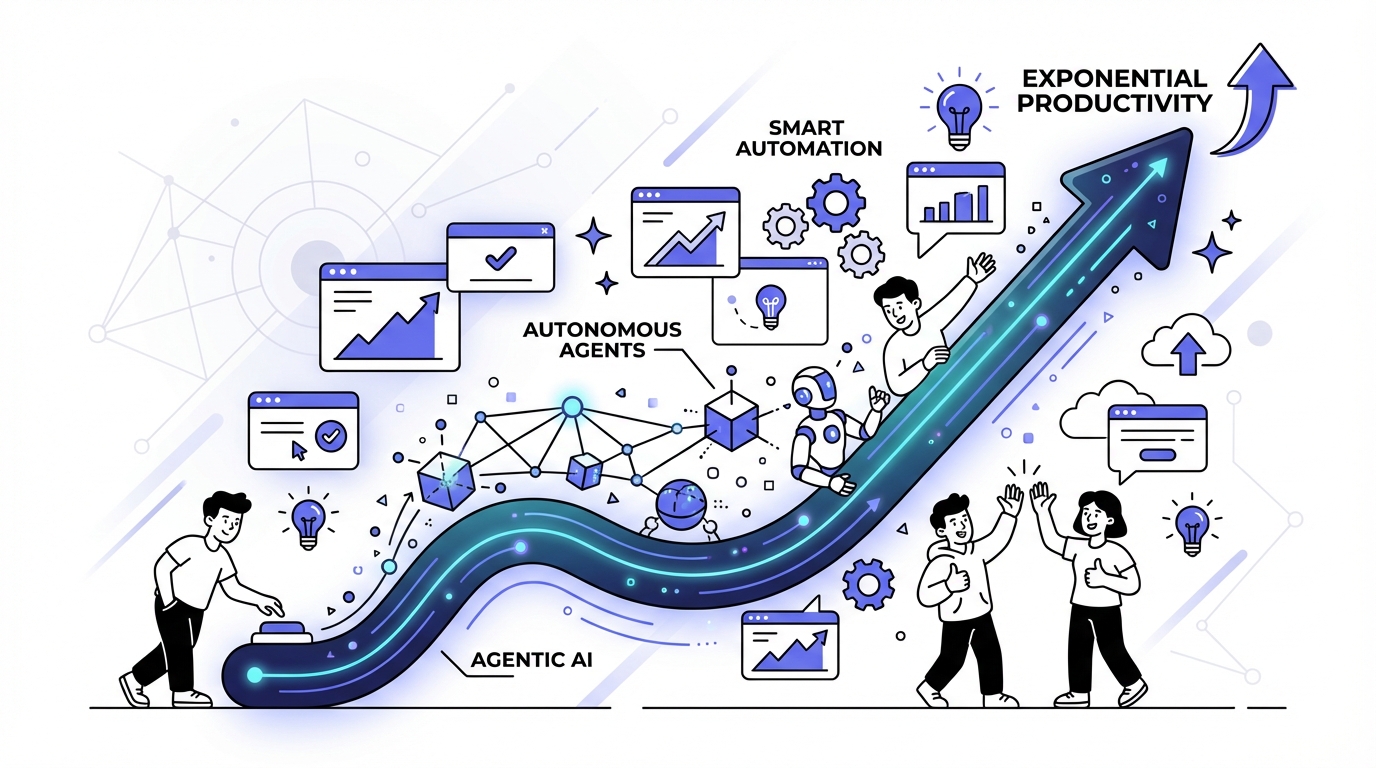
From Raw Data to Refined Forecasts: Visualizing AI’s Transformative Power in Financial Prediction.
Frequently Asked Questions
What are the 2026 tariffs and why are they a concern for small businesses?
The 2026 tariffs are impending trade policies that threaten to increase operational costs, disrupt cash flow, and erode profit margins for businesses. They are a significant concern for small businesses because they operate with tighter margins and less financial cushion, making them highly vulnerable to economic shifts and requiring proactive preparation.
Why do 2026 tariffs disproportionately impact small businesses compared to larger corporations?
Small businesses face a greater impact from 2026 tariffs due to limited negotiating power with overseas suppliers, fragile cash flow, and reliance on concentrated supply chains. Unlike large enterprises, they struggle to absorb initial costs or quickly pivot, making robust tariff impact mitigation strategies essential to protect their bottom line and sustain growth.
How can AI help small businesses mitigate the impact of the 2026 tariffs?
AI transforms financial forecasting from reactive to predictive, running thousands of simulations to map probable financial futures and model the cascading impact of tariffs. Through advanced AI scaling strategies, it also optimizes supply chains against volatility, enabling data-backed decisions that protect businesses and unlock new opportunities for growth amidst the 2026 tariffs.
What is small business finance AI and how does it improve financial forecasting?
Small business finance AI is an advanced technology that integrates past sales data with external signals like global shipping costs, raw material fluctuations, and geopolitical risks. This comprehensive view allows it to run thousands of simulations, accurately modeling the cascading impact of tariffs and providing predictive insights far beyond traditional, static spreadsheet methods.
How does supply chain optimization AI help small businesses prepare for tariff volatility?
Supply chain optimization AI helps small businesses by identifying vulnerabilities, such as single-source dependencies, and modeling the impact of potential tariffs on component costs. It enables proactive adjustments like diversifying suppliers, optimizing inventory levels, and finding alternative routes, thereby reducing exposure to sudden cost increases and ensuring effective tariff impact mitigation.
What are effective AI scaling strategies for small businesses facing economic disruptions?
Effective AI scaling strategies involve leveraging AI for advanced financial forecasting and supply chain optimization. This allows small businesses to proactively model potential tariff impacts, make data-backed decisions, and adapt quickly to market changes. By integrating small business finance AI, they can turn potential disruptions into competitive advantages and ensure sustainable growth.
When should small businesses start implementing AI strategies to prepare for the 2026 tariffs?
Small businesses should start implementing AI strategies now, well before the 2026 tariffs deadline. A proactive approach allows ample time to integrate AI tools for financial forecasting and supply chain optimization, enabling businesses to prepare their models for multiple outcomes. Acting early helps secure a competitive advantage rather than reacting defensively after policies are set.